A basement should feel dry, stable, and usable. When water starts entering the basement, or even when moisture begins building up slowly, it can create serious problems for your home. Damp walls, musty smells, foundation cracks, mold, and water stains are all signs that your basement may need waterproofing.
For Pennsylvania homeowners, basement moisture is a common issue. Heavy rain, snow melt, older foundations, poor drainage, and changing soil conditions can all allow water to reach the basement. If the problem is ignored, it can damage flooring, walls, insulation, stored belongings, and even the foundation.
At TrueBlue Home Improvements, we provide basement waterproofing services throughout Pennsylvania, including Philadelphia, Collegeville, Exton, Mount Penn, Phoenixville, Pottstown, Reading, Valley Forge, and nearby communities. If you have been searching for basement waterproofing near me or basement waterproofing companies near me, this guide will help you understand the signs that your home needs attention.
1. Water Appears on the Basement Floor After Rain
The clearest sign your basement needs waterproofing is visible water on the floor. Even if it only happens after heavy rain, it is still a problem. Water should not be entering your basement at all.
Basement floor water may come from:
- Foundation wall cracks
- Floor cracks
- Cove joint seepage
- Window wells
- Poor exterior drainage
- Sump pump failure
- Hydrostatic pressure under the slab
Some homeowners wipe up the water and assume the issue is solved. Unfortunately, the source of the water usually remains. If water appears repeatedly, waterproofing is needed to stop the problem at its cause.
2. Your Basement Smells Musty
A musty basement smell is often caused by excess moisture. Even if you do not see standing water, humidity and dampness can create odors that spread through the home.
Musty odors may point to:
- Hidden moisture behind walls
- Damp concrete
- Mold or mildew growth
- Wet insulation
- Poor ventilation
- Water seepage during storms
A musty smell is more than an inconvenience. It can affect indoor air quality and make the basement uncomfortable to use. Waterproofing helps reduce the moisture source, which can make the space healthier and more usable.
3. You Notice Mold or Mildew
Mold and mildew grow where moisture is present. If you see mold on basement walls, framing, furniture, storage boxes, or flooring, there is likely a water or humidity issue that needs to be corrected.
Common mold-prone basement areas include:
- Corners
- Behind drywall
- Around windows
- Near floor-wall joints
- Under carpet
- Around sump pump areas
- Behind stored items
Cleaning mold without fixing the moisture source may only provide temporary relief. Basement waterproofing helps prevent the damp conditions that allow mold to return.
4. Foundation Walls Feel Damp or Look Stained
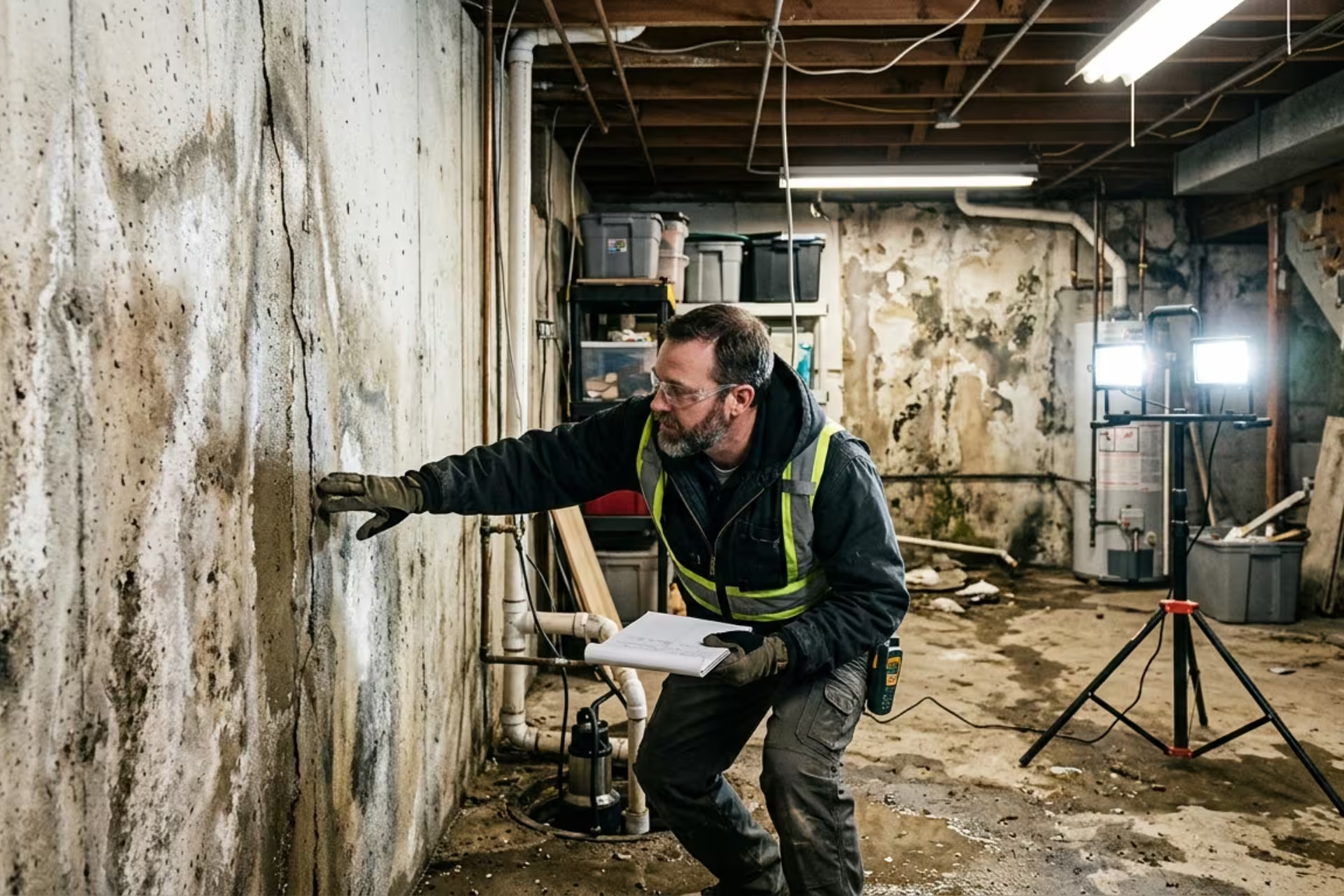
Damp basement walls are a warning sign that water is moving through or around the foundation. Concrete and masonry can absorb moisture, especially when water pressure builds outside the home.
Signs of damp foundation walls include:
- Dark patches on concrete
- Peeling paint
- Flaking wall coatings
- White chalky residue
- Water streaks
- Soft or bubbling drywall
- Damp insulation
White powdery residue on basement walls is often caused by minerals left behind when water evaporates. This is a sign that moisture has been moving through the wall.
5. Cracks Are Forming in the Basement Walls or Floor
Foundation cracks should always be inspected. Some cracks are small and common, while others may indicate pressure, settlement, or structural movement.
Cracks that may allow water inside include:
- Vertical wall cracks
- Horizontal wall cracks
- Stair-step cracks in block walls
- Floor cracks
- Cracks near windows
- Cracks near corners
- Cracks at the floor-wall joint
If cracks are growing, leaking, or wider than before, they should be evaluated quickly. Waterproofing and foundation repair may be needed depending on the severity.
6. Paint, Flooring, or Drywall Is Peeling or Warping
Moisture can damage finished basement materials. If your basement has painted walls, drywall, carpet, laminate flooring, or trim, water problems may show up as visible surface damage.
Warning signs include:
- Peeling paint
- Bubbling wall coatings
- Warped flooring
- Soft drywall
- Stained baseboards
- Loose trim
- Damp carpet
- Rusted metal fixtures
If you are planning basement refinishing, waterproofing should come first. Finishing a basement without solving moisture problems can lead to expensive damage later.
7. Your Sump Pump Runs Constantly or Fails During Storms
A sump pump is designed to remove water from the basement area. If it runs constantly, struggles during storms, or fails when you need it most, your basement may be at risk.
Sump pump warning signs include:
- Frequent cycling
- Strange noises
- Water not discharging properly
- Pump failure during storms
- Overflowing sump pit
- No backup pump
- Old or undersized pump
In some cases, the sump pump itself needs replacement. In other cases, the drainage system feeding the pump may need improvement.
Why Basement Waterproofing Is Important
Basement waterproofing does more than stop water from entering your home. It helps protect your foundation, indoor air quality, finished basement, and property value.
Waterproofing can help prevent:
- Mold growth
- Foundation cracks
- Basement flooding
- Damaged flooring
- Ruined drywall
- Musty odors
- Pest problems
- Structural deterioration
- Lost storage space
- Costly future repairs
A dry basement also gives homeowners more usable space. Whether you use your basement for storage, laundry, living space, a home office, or future finishing, moisture control is essential.
What Causes Basement Water Problems in Pennsylvania?
Pennsylvania homes can experience basement water issues for several reasons. Older properties, heavy seasonal rainfall, snow melt, and changing soil conditions can all contribute.
Common causes include:
- Poor grading around the home
- Clogged gutters
- Short downspouts
- Foundation cracks
- Hydrostatic pressure
- Window well drainage problems
- Failed exterior waterproofing
- Sump pump issues
- Settled soil near the foundation
- Aging concrete or masonry walls
Because every home is different, a proper inspection is needed to choose the right waterproofing solution.
Basement Waterproofing Solutions
The best solution depends on where the water is coming from. A professional waterproofing contractor may recommend one or more of the following:
Foundation Crack Repair
Leaking cracks can be sealed to stop water entry and protect the wall from further damage.
Interior Drainage System
Interior drainage systems collect water before it spreads across the basement floor and direct it toward a sump pump.
Sump Pump Installation or Replacement
A reliable sump pump helps remove water and reduce flooding risk.
Exterior Waterproofing
Exterior waterproofing can help stop water before it reaches the foundation wall.
Downspout and Grading Improvements
Improving drainage around the home reduces water pressure against basement walls.
Window Well Drainage
Proper window well drainage can prevent water from entering through basement windows.
When Should You Call a Waterproofing Contractor?
You should call a waterproofing contractor if water appears more than once, if your basement smells musty, or if cracks are forming in walls or floors. Waiting too long can allow damage to spread.
Call for an inspection if you notice:
- Basement water after rain
- Damp walls
- Mold or mildew
- Musty odors
- Cracks in the foundation
- Peeling paint
- Wet carpet
- Sump pump problems
- High basement humidity
Early repair is usually more affordable than major restoration after repeated water damage.
Basement Waterproofing Services in Pennsylvania
TrueBlue Home Improvements provides professional basement waterproofing services across Pennsylvania. We help homeowners identify the cause of basement water problems and recommend practical solutions.
We serve:
- Philadelphia, PA
- Collegeville, PA
- Exton, PA
- Mount Penn, PA
- Phoenixville, PA
- Pottstown, PA
- Reading, PA
- Valley Forge, PA
- Nearby Pennsylvania communities
Whether you need basement waterproofing in Philadelphia, basement waterproofing in Collegeville, basement waterproofing in Reading, or waterproofing support in surrounding Pennsylvania areas, our team is ready to help.
Final Thoughts
Basement water problems should never be ignored. Standing water, musty odors, damp walls, mold, cracks, damaged flooring, and sump pump issues are all warning signs that your basement may need waterproofing.
The sooner you address the problem, the better you can protect your home from mold, foundation damage, and costly repairs.
Seeing signs of basement moisture or water damage? Contact TrueBlue Home Improvements today for professional basement waterproofing services in Pennsylvania.