Your foundation is one of the most important parts of your home. It supports the structure, keeps the home stable, and helps protect everything built above it. When foundation damage begins, the signs may start small. A crack in the basement wall, a door that no longer closes properly, or a damp area near the floor may not seem serious at first. However, these warning signs can point to bigger structural or moisture-related issues.
For homeowners in Pennsylvania, foundation problems can develop because of soil movement, heavy rain, poor drainage, freeze-thaw cycles, aging concrete, and long-term water pressure around the home. Whether you live in Philadelphia, Collegeville, Exton, Mount Penn, Phoenixville, Pottstown, Reading, Valley Forge, or a nearby community, recognizing early foundation damage can help prevent expensive repairs later.
At TrueBlue Home Improvements, we provide professional foundation repair and related home improvement services across Pennsylvania. This guide explains the most common signs of foundation damage and when to contact a contractor for inspection.
Why Foundation Damage Should Not Be Ignored
Foundation problems rarely fix themselves. In many cases, small cracks or minor movement can become worse over time if the source of the problem is not corrected. Water, soil pressure, poor drainage, and structural settlement can continue placing stress on the foundation.
Ignoring foundation damage can lead to:
- Wider cracks
- Basement leaks
- Uneven floors
- Bowing walls
- Damaged drywall
- Sticking doors and windows
- Moisture problems
- Reduced property value
- More expensive structural repairs
Early inspection is one of the best ways to protect your home.
1. Cracks in Basement Walls
Cracks in basement walls are one of the most common signs of foundation damage. Some small hairline cracks may be caused by normal settling, but larger cracks or cracks that are leaking should be taken seriously.
Common basement wall cracks include:
- Vertical cracks
- Horizontal cracks
- Stair-step cracks
- Diagonal cracks
- Cracks near corners
- Cracks around windows
- Cracks that widen over time
Horizontal cracks can be especially concerning because they may indicate pressure from soil or water pushing against the foundation wall. Stair-step cracks in block foundations may also suggest movement.
2. Cracks in Exterior Brick, Block, or Masonry
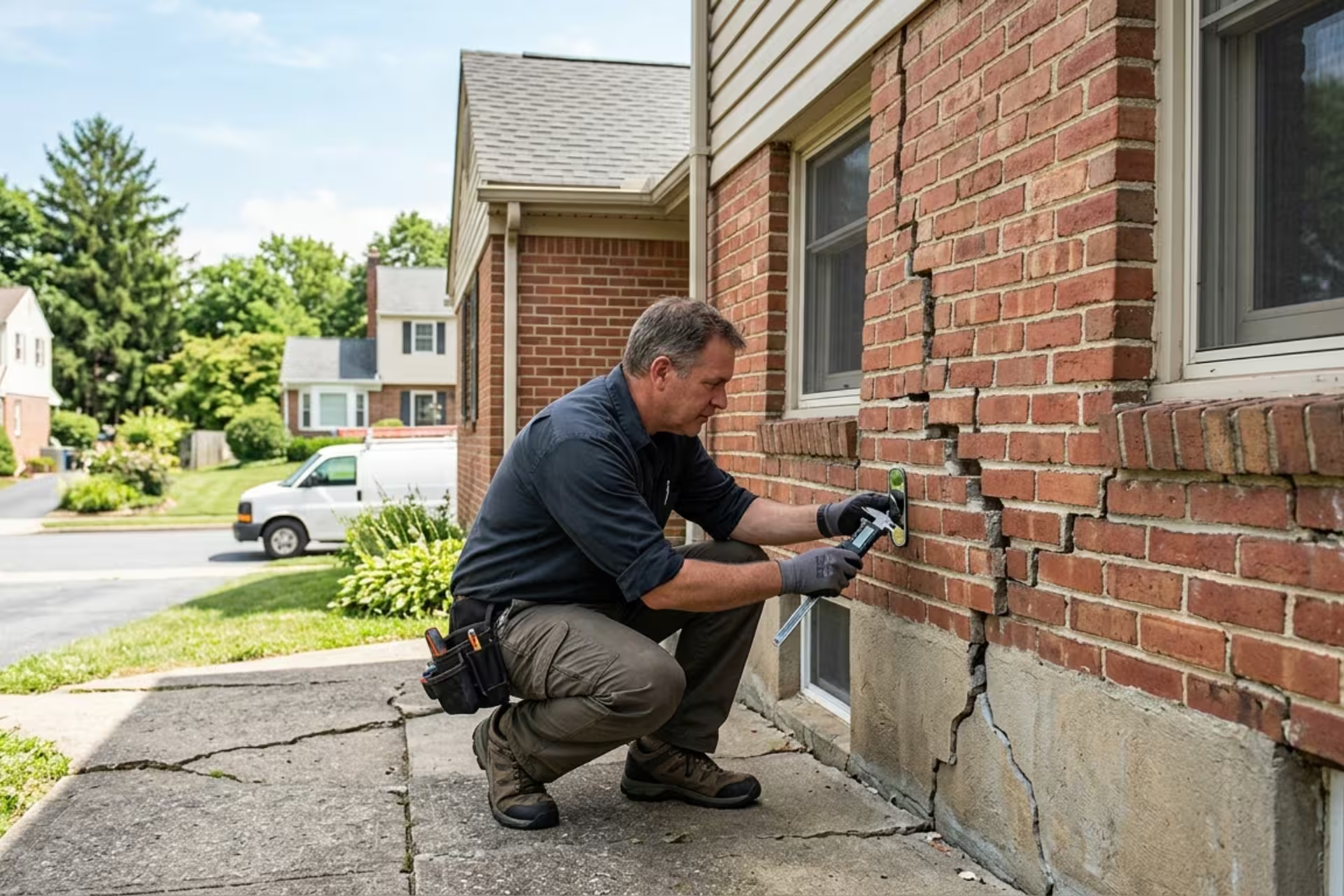
Foundation movement can show up outside the home as well. If the foundation shifts, exterior walls may crack or separate.
Watch for:
- Stair-step cracks in brickwork
- Cracks around doors or windows
- Separation between bricks and trim
- Gaps around exterior walls
- Cracks in block walls
- Leaning or bulging wall sections
Exterior cracks may be more than cosmetic. They can indicate settlement, drainage issues, or structural stress.
3. Basement Water or Moisture
Basement leaks are often connected to foundation problems. Water can enter through foundation cracks, floor cracks, wall-floor joints, and porous concrete.
Signs of moisture include:
- Water on the basement floor
- Damp walls
- Musty odors
- Mold or mildew
- White powdery residue
- Peeling paint
- Wet carpet or flooring
- Rust on metal items
Waterproofing and foundation repair often work together. If your basement is leaking because of cracks or movement, both the moisture issue and structural issue may need attention.
4. Doors and Windows That Stick
If doors and windows suddenly become hard to open or close, foundation movement may be one possible cause. As a foundation shifts, the framing of the home can move slightly, causing doors and windows to fall out of alignment.
Warning signs include:
- Doors rubbing against frames
- Windows sticking
- Gaps around door frames
- Doors opening or closing on their own
- Cracks above doorways
- Uneven spacing around frames
Not every sticking door means foundation damage, but if it happens along with cracks or uneven floors, it should be inspected.
5. Uneven or Sloping Floors
Uneven floors can indicate settlement or structural movement. If one part of the home drops or shifts, floors may begin to slope, dip, or feel soft.
Signs include:
- Floors that slope to one side
- Gaps between floor and baseboard
- Bouncy or soft floor areas
- Cracks in tile flooring
- Furniture that does not sit level
- Noticeable dips in rooms or hallways
Uneven floors may be caused by foundation settlement, weakened supports, moisture damage, or structural framing problems.
6. Gaps Around Walls, Ceilings, or Trim
Foundation movement can create gaps inside the home. These gaps may appear slowly and become more noticeable over time.
Look for:
- Gaps between walls and ceilings
- Gaps between floors and baseboards
- Separation around crown molding
- Cracks where walls meet ceilings
- Trim pulling away from walls
- Cabinet gaps
These signs may indicate the home is shifting or settling unevenly.
7. Bowing or Leaning Basement Walls
Bowing basement walls are a serious warning sign. This happens when pressure from outside soil pushes inward against the foundation wall. Water-saturated soil can increase this pressure, especially after heavy rain.
Signs of bowing walls include:
- Walls curving inward
- Horizontal cracks
- Bulging blocks
- Wall movement near the middle
- Cracks widening over time
- Water seepage through cracks
Bowing walls should be inspected quickly because they may require structural repair.
8. Cracks in Concrete Floors
Cracks in basement or garage floors may be caused by settlement, shrinkage, or pressure under the slab. Some small cracks may be minor, but wide, uneven, or spreading cracks need attention.
Floor cracks are more concerning when:
- Water comes through them
- One side is higher than the other
- The crack is widening
- The floor is sinking
- Multiple cracks appear
- The crack connects with wall cracks
Concrete cracks can also allow moisture and pests into the home.
9. Chimney Separation
If your chimney is pulling away from the home, it may indicate foundation settlement or structural movement. Chimneys are heavy and may settle differently from the rest of the house.
Warning signs include:
- A visible gap between chimney and house
- Cracks near the chimney
- Leaning chimney
- Water entering near the chimney
- Damaged flashing or masonry
Chimney separation should be inspected by a professional because it can affect both safety and water protection.
10. Soil Pulling Away from the Foundation
The soil around your foundation can tell you a lot. If soil is pulling away, sinking, or collecting water near the home, drainage problems may be affecting the foundation.
Watch for:
- Low areas near the foundation
- Water pooling after rain
- Soil erosion
- Downspouts draining too close
- Cracks in nearby concrete
- Settled patios or walkways
Poor exterior drainage is one of the biggest contributors to foundation damage and basement leaks.
What Causes Foundation Damage in Pennsylvania?
Pennsylvania homes can experience foundation problems for several reasons. Some homes are older, some sit on shifting soil, and many deal with moisture from rain, snow, and seasonal changes.
Common causes include:
- Poor drainage
- Expansive or saturated soil
- Freeze-thaw cycles
- Foundation settlement
- Tree roots
- Poor construction
- Aging concrete
- Hydrostatic pressure
- Plumbing leaks
- Improper grading
Water is one of the biggest factors. When water collects around the foundation, it increases pressure against basement walls and can weaken soil support.
Foundation Repair and Waterproofing Often Go Together
Foundation cracks and basement leaks are closely connected. If water is entering through cracks, waterproofing may be needed along with foundation repair. If hydrostatic pressure is pushing against walls, drainage improvements may also be necessary.
A complete repair plan may include:
- Foundation crack repair
- Wall stabilization
- Basement waterproofing
- Interior drainage
- Sump pump installation
- Exterior grading improvements
- Downspout extensions
- Concrete repair
Solving only the visible crack without addressing water pressure may not fully fix the problem.
When Should You Call a Foundation Repair Contractor?
You should schedule an inspection if you see cracks, moisture, uneven floors, sticking doors, or bowing walls. Early evaluation can help determine whether the issue is minor, moisture-related, or structural.
Call a professional if:
- Cracks are growing
- Water is entering the basement
- Walls are bowing
- Floors are uneven
- Doors or windows are sticking
- Exterior masonry is cracking
- The chimney is separating
- You notice multiple warning signs
A professional contractor can inspect the home and recommend the right repair solution.
Foundation Repair Services in Pennsylvania
TrueBlue Home Improvements provides foundation repair, basement waterproofing, concrete work, and related home improvement services throughout Pennsylvania.
We serve:
- Philadelphia, PA
- Collegeville, PA
- Exton, PA
- Mount Penn, PA
- Phoenixville, PA
- Pottstown, PA
- Reading, PA
- Valley Forge, PA
- Nearby Pennsylvania communities
Whether you are dealing with foundation cracks, basement leaks, bowing walls, or concrete damage, our team can help protect your home.
Final Thoughts
Foundation damage can start with small signs, but it should never be ignored. Cracks, moisture, uneven floors, sticking doors, bowing walls, and exterior masonry damage may all point to foundation movement or water pressure.
The sooner the issue is inspected, the easier it may be to prevent further damage. If you are searching for foundation repair in Pennsylvania or foundation repair near me, TrueBlue Home Improvements is ready to help.
Concerned about cracks or foundation damage? Contact TrueBlue Home Improvements today for professional foundation repair services in Pennsylvania.