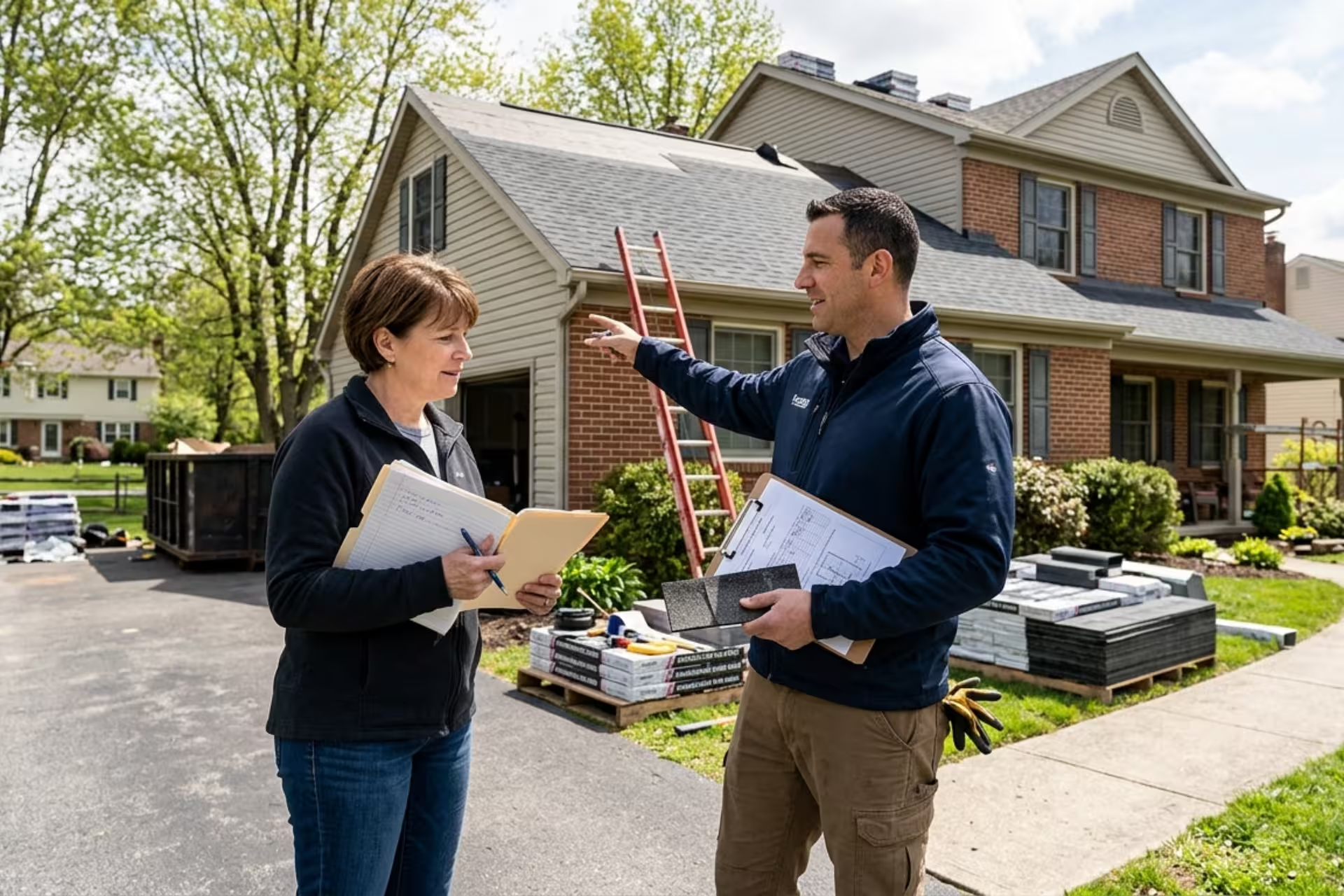
A new roof is one of the most important investments you can make in your home. It protects your property from rain, snow, wind, heat, moisture, and structural damage. For many Pennsylvania homeowners, one of the first questions is simple: How much does a new roof cost?
The answer depends on several factors, including roof size, roofing material, roof pitch, existing damage, removal work, ventilation, and the complexity of the installation. While every home is different, understanding what affects the price can help you plan properly and avoid surprises.
At TrueBlue Home Improvements, we provide professional roofing services across Pennsylvania, including Philadelphia, Collegeville, Exton, Mount Penn, Phoenixville, Pottstown, Reading, Valley Forge, and surrounding areas.
What Affects the Cost of a New Roof?
Roof replacement pricing is not based on one single factor. A contractor will look at the full roofing system, the condition of the existing roof, and the work required to install a durable new roof.
The main cost factors include:
- Roof size
- Roofing material
- Roof pitch and height
- Number of layers to remove
- Decking condition
- Flashing needs
- Ventilation upgrades
- Chimneys, skylights, and roof valleys
- Labor and disposal
- Local property access
A simple roof on a smaller home will usually cost less than a large, steep, complex roof with multiple sections.
Roof Size and Square Footage
The size of your roof is one of the biggest pricing factors. Larger roofs require more shingles, underlayment, nails, flashing, labor, and disposal.
Roofing contractors often measure roofs in “squares.” One roofing square equals 100 square feet. However, roof size is not always the same as home square footage because roof pitch, overhangs, garages, additions, and dormers affect the total area.
A professional roof measurement provides the most accurate estimate.
Roofing Material Choice
The type of roofing material you choose will also affect the cost. Asphalt shingles are one of the most common options for Pennsylvania homes because they are durable, attractive, and cost-effective.
Common roofing materials include:
Asphalt Shingles
Asphalt shingles are popular because they offer good protection at a reasonable cost. They come in different styles, colors, and quality levels.
Architectural Shingles
Architectural shingles are thicker and more durable than basic three-tab shingles. They often provide better curb appeal and longer performance.
Metal Roofing
Metal roofing can cost more upfront but may offer long-lasting durability and strong weather resistance.
Specialty Roofing Materials
Slate, tile, cedar, and other specialty materials can be more expensive due to material cost, installation complexity, and structural requirements.
For most homeowners looking for reliable roof replacement in Pennsylvania, asphalt or architectural shingles are practical options.
Roof Pitch and Accessibility
A steep roof usually costs more to replace than a low-slope roof because it requires additional safety equipment, time, and labor. If the roof is difficult to access, has multiple levels, or includes tight working areas, this can also affect the total cost.
Homes in older Pennsylvania neighborhoods may have unique roof shapes, additions, or limited driveway access, which can influence installation planning.
Removing the Old Roof
In many cases, the existing roofing materials must be removed before the new roof is installed. Tear-off work allows the contractor to inspect the decking underneath and make sure the new roof is installed on a solid surface.
Removal costs may increase if:
- There are multiple layers of old shingles
- The roof has heavy materials
- Disposal access is limited
- Hidden damage is found
- The roof decking needs repair
Although removing the old roof adds cost, it is often the best way to ensure a proper long-term installation.
Roof Decking Repairs
The roof decking is the wood surface underneath the roofing materials. If water has damaged the decking, it may need to be replaced before new shingles are installed.
Signs of damaged decking include:
- Soft roof areas
- Sagging sections
- Mold or rot
- Long-term leaks
- Water stains in the attic
- Spongy areas underfoot
Decking repairs can affect the final price, but they are necessary for a safe and lasting roof system.
Flashing, Vents, and Roof Details
A quality roof replacement includes more than shingles. Flashing, ventilation, drip edge, pipe boots, and roof valleys all play an important role in protecting the home.
Roof replacement may include work around:
- Chimneys
- Skylights
- Plumbing vents
- Dormers
- Roof valleys
- Walls and siding connections
- Gutters and edges
Poor flashing installation is one of the most common causes of roof leaks. That is why hiring an experienced roofing contractor is important.
Attic Ventilation and Insulation
Attic ventilation can affect roof performance. Without proper ventilation, heat and moisture can build up in the attic. This may shorten shingle life, increase energy costs, and contribute to moisture problems.
During roof replacement, your contractor may recommend improving ventilation if the current system is not performing well. This can include ridge vents, soffit vents, or other ventilation improvements.
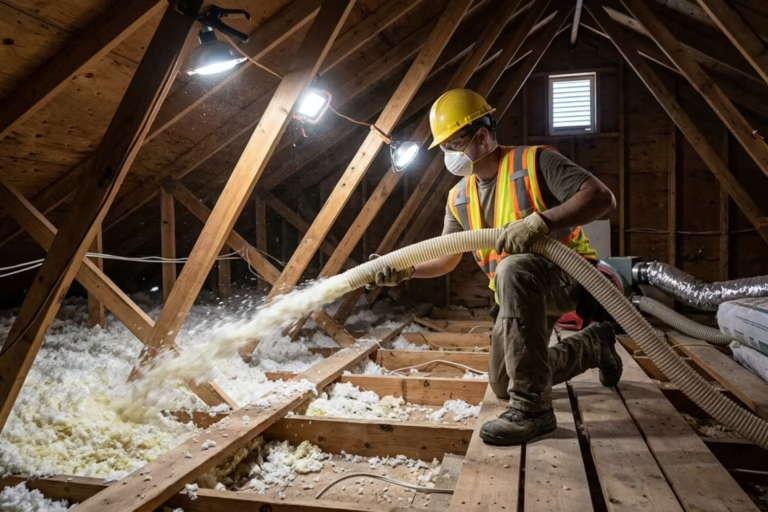
This is also a good time to consider attic insulation if your home has energy loss or uneven indoor temperatures.
When Is Roof Replacement Better Than Repair?
Roof repair may be enough if the damage is small and your roof is still in good condition. However, replacement may be better when the roof is old, worn, or leaking in multiple areas.
You may need a new roof if:
- Your roof is 20+ years old
- Shingles are curling or cracking
- You have repeated leaks
- Large areas are missing shingles
- Granules are collecting in gutters
- The roof looks uneven or sagging
- Storm damage is widespread
- Repairs are becoming too frequent
A roofing inspection can help determine whether repair or replacement makes more sense.
Why a Cheap Roof Estimate Can Cost More Later
Choosing the lowest price is not always the best decision. A very cheap roof estimate may leave out important materials, proper flashing, ventilation, cleanup, or warranty details.
A poor roof installation can lead to:
- Leaks
- Shingle failure
- Mold issues
- Damaged decking
- Interior water damage
- Shortened roof lifespan
- More repairs later
A new roof should be installed correctly the first time. Quality workmanship protects your investment and your home.
How to Prepare for a Roof Replacement Estimate
Before scheduling your estimate, it helps to think about your goals. Are you replacing the roof because of age, leaks, storm damage, resale plans, or curb appeal?
A contractor may ask about:
- Roof age
- Previous repairs
- Leak history
- Attic issues
- Roofing material preference
- Budget expectations
- Timeline
- Insurance claims, if applicable
Photos of leaks or interior stains can also help during the inspection.
Roof Replacement Services in Pennsylvania
TrueBlue Home Improvements provides reliable roof installation and replacement services for homeowners across Pennsylvania. We inspect the condition of your roof, explain your options clearly, and recommend the right solution based on your home’s needs.
We serve:
- Philadelphia, PA
- Collegeville, PA
- Exton, PA
- Mount Penn, PA
- Phoenixville, PA
- Pottstown, PA
- Reading, PA
- Valley Forge, PA
- Nearby Pennsylvania areas
Final Thoughts
The cost of a new roof in Pennsylvania depends on your roof size, material choice, roof condition, labor, decking, flashing, ventilation, and overall complexity. While roof replacement is a major investment, it also protects your home, improves curb appeal, and can prevent costly water damage.
If your roof is old, leaking, or showing visible signs of wear, now is a good time to schedule an inspection.
Thinking about replacing your roof? Contact TrueBlue Home Improvements today for professional roof replacement and roofing services in Pennsylvania.