
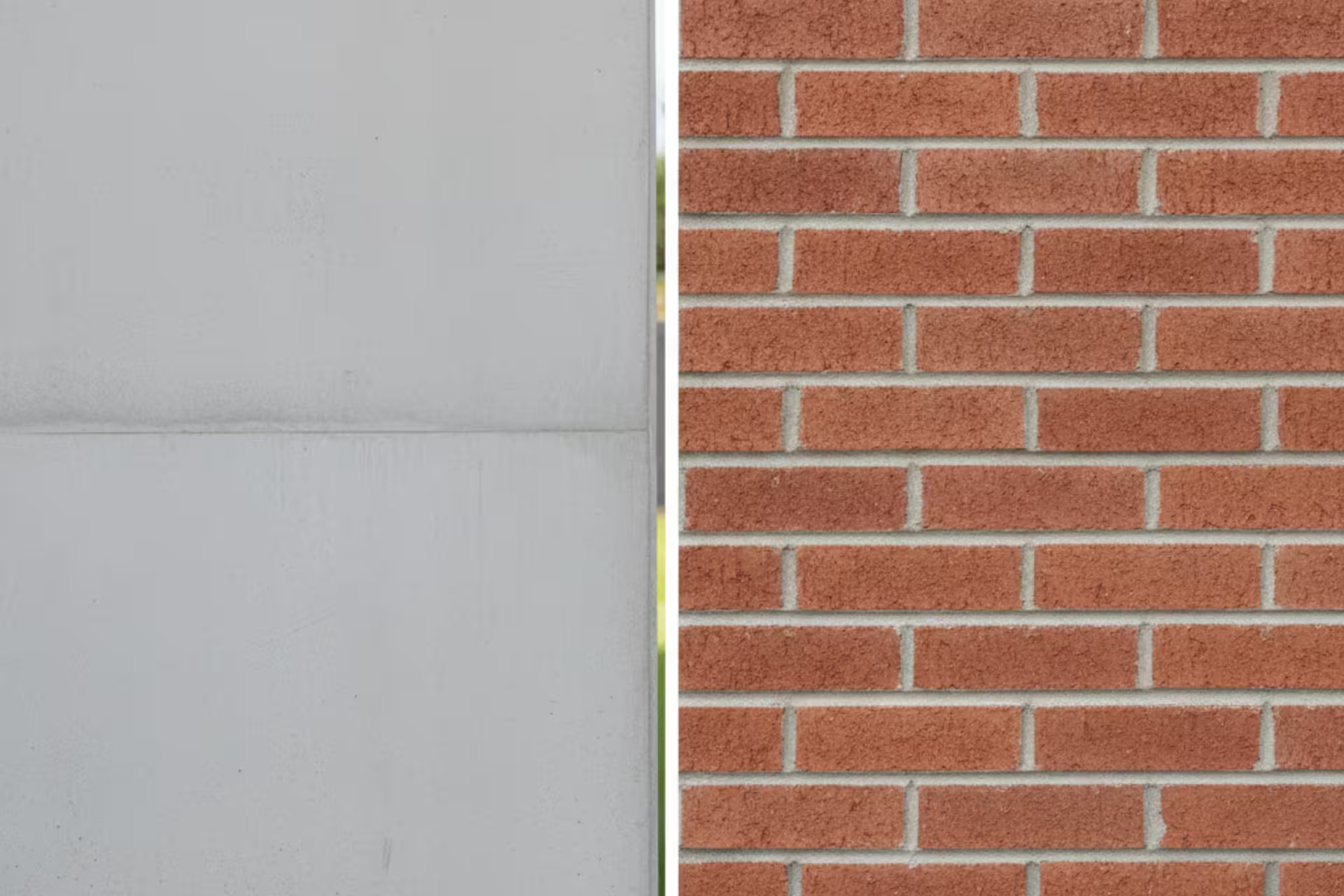
Homeowners often use “concrete” and “masonry” interchangeably—but they serve different structural and aesthetic purposes.
Understanding the difference helps you choose the right material for your project.
What Is Concrete?
Concrete is a mixture of cement, water, sand, and aggregate. It is poured into forms and hardens into a solid surface.
Common uses:
- Driveways
- Walkways
- Patios
- Steps
- Slabs
Concrete is ideal for flatwork and structural bases.
What Is Masonry?
Masonry involves individual units—such as brick, block, or stone—bound together with mortar.
Common uses:
- Foundation walls
- Chimneys
- Retaining walls
- Decorative facades
Masonry provides both strength and architectural character.
Key Differences
| Concrete | Masonry |
| Poured as a solid mass | Built with individual units |
| Best for slabs & flat surfaces | Best for vertical structures |
| Lower decorative flexibility | More aesthetic variety |
Which Is Right for Your Project?
The best choice depends on:
- Structural needs
- Budget
- Design preferences
- Exposure to weather
A professional assessment ensures proper material selection for long-term durability.