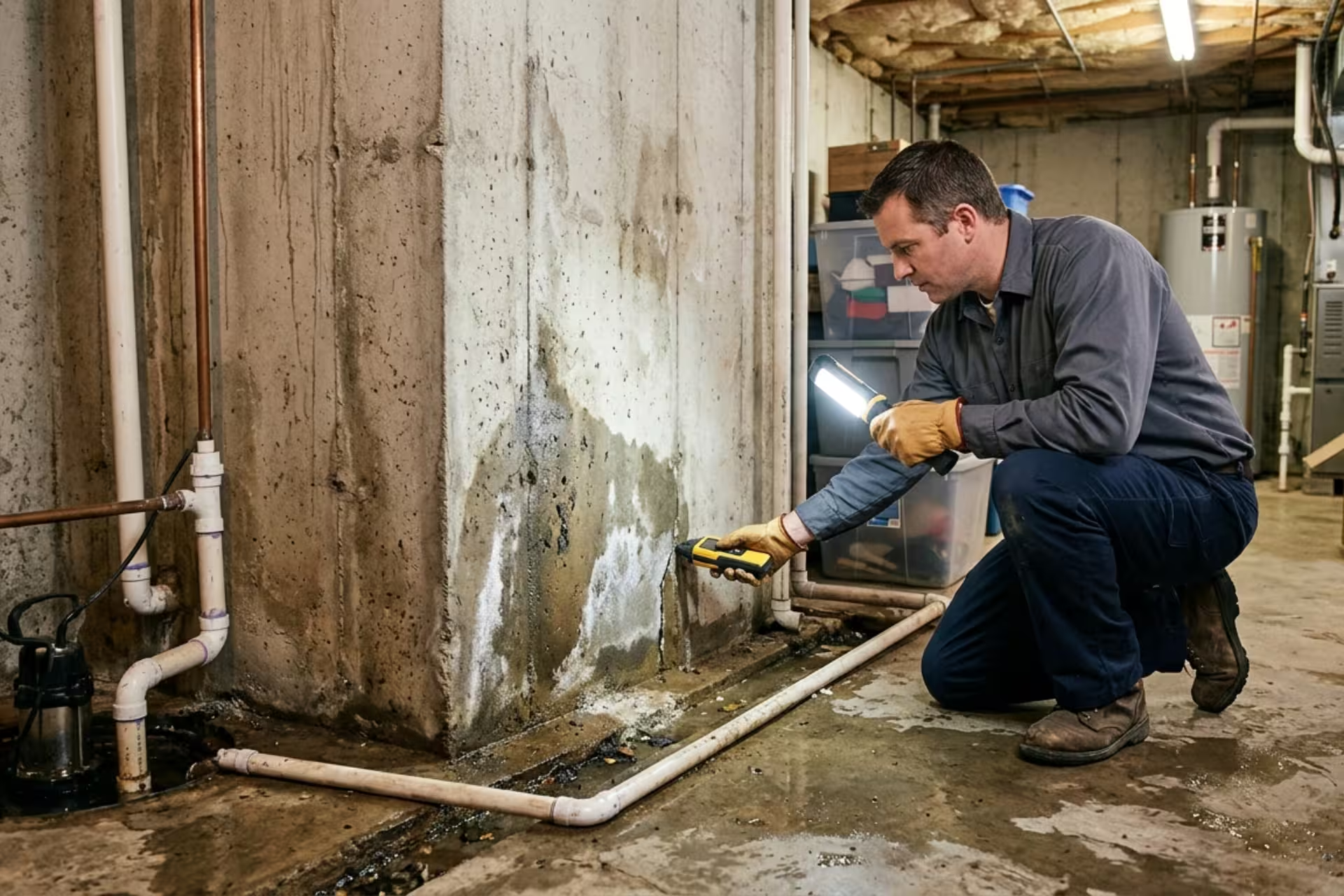
A leaking basement is one of the most stressful problems a homeowner can face. Water in the basement can damage flooring, walls, storage, insulation, electrical systems, and even the foundation of your home. What starts as a small damp spot can quickly become a bigger moisture problem if it is not handled properly.
For homeowners in Pennsylvania, basement leaks are common because of heavy rain, snow melt, older foundations, poor drainage, and seasonal ground movement. Whether you live in Philadelphia, Collegeville, Exton, Mount Penn, Phoenixville, Pottstown, Reading, Valley Forge, or a nearby area, basement water problems should never be ignored.
At TrueBlue Home Improvements, we help homeowners identify the source of basement leaks and recommend reliable waterproofing solutions.
Common Signs of a Leaking Basement
Sometimes basement leaks are obvious. Other times, the warning signs are more subtle.
You may have a basement water problem if you notice:
- Water on the basement floor
- Damp walls
- Musty odors
- Mold or mildew
- Peeling paint
- White powdery residue on walls
- Cracks in foundation walls
- Wet carpet or flooring
- Rust on metal items
- High humidity
- Water stains near the floor line
Even if you only see moisture after heavy rain, it is still a sign that water is finding a way inside.
1. Poor Exterior Drainage
One of the most common causes of basement leaks is poor drainage around the home. If water is not directed away from the foundation, it can collect near basement walls and eventually seep inside.
Poor drainage may happen because of:
- Improper grading
- Low spots near the foundation
- Short downspout extensions
- Clogged gutters
- Settled soil around the home
- Hard surfaces sloping toward the house
The ground around your home should slope away from the foundation. If water pools near the house after rain, basement leaks are more likely.
2. Clogged or Damaged Gutters
Gutters play an important role in protecting your basement. When gutters are clogged, broken, or overflowing, rainwater can spill directly beside the foundation.
This can lead to:
- Basement seepage
- Foundation cracks
- Soil erosion
- Mold problems
- Water stains
- Hydrostatic pressure
Cleaning and repairing gutters may help reduce basement moisture, but existing leaks may still require waterproofing repairs.
3. Foundation Cracks
Cracks in foundation walls can allow water to enter the basement. Some cracks are small and non-structural, while others may point to movement or pressure around the foundation.
Common foundation crack types include:
- Vertical cracks
- Horizontal cracks
- Stair-step cracks
- Hairline cracks
- Wide or growing cracks
Water can enter through even small cracks, especially during heavy rain or snow melt. A professional inspection can determine whether the crack needs sealing, waterproofing, or structural repair.
4. Hydrostatic Pressure
Hydrostatic pressure happens when water builds up in the soil around your foundation. As the soil becomes saturated, pressure pushes against basement walls and floors.
This pressure can force water through:
- Wall cracks
- Floor cracks
- Cove joints
- Porous concrete
- Weak foundation areas
If your basement leaks mainly after heavy rain, hydrostatic pressure may be part of the problem.
5. Basement Floor Cracks
Water does not only come through walls. It can also enter through cracks in the basement floor. Floor cracks may happen because of settlement, pressure beneath the slab, or age-related concrete movement.
If water appears in the middle of the basement floor or around cracks, the problem may involve groundwater pressure beneath the slab.
6. Cove Joint Seepage
The cove joint is where the basement wall meets the floor. This is a common leak point in many homes. When groundwater pressure increases, water may seep through this joint and spread across the basement floor.
Cove joint leaks can be frustrating because they often appear during storms and disappear when the ground dries.
7. Window Well Problems
Basement window wells can collect water if they are not draining properly. When water rises in the window well, it can leak through the window frame or enter through cracks nearby.
Window well leaks may be caused by:
- Poor drainage
- Missing covers
- Clogged gravel
- Damaged window frames
- Improper installation
- Soil buildup
Adding proper drainage and window well protection can help prevent future leaks.
8. Poor Sump Pump Performance
If your home has a sump pump, it must be working properly to protect your basement from water. A failed or undersized sump pump can allow water to rise and enter the basement.
Sump pump issues may include:
- Power failure
- Clogged pump
- Broken float switch
- Old pump
- Discharge line blockage
- No backup system
If your basement floods during storms, the sump pump should be inspected.
9. Old or Failing Waterproofing
Older homes may have waterproofing systems that no longer perform properly. Exterior coatings can wear down, drains can clog, and foundation materials can become more porous over time.
If your home has had previous waterproofing work but still leaks, the system may need repair, improvement, or replacement.
10. Plumbing Leaks Mistaken for Basement Leaks
Not all basement water comes from outside. Sometimes the problem is a plumbing leak.
Possible plumbing-related causes include:
- Leaking water heater
- Broken pipe
- Washing machine leak
- Condensation line issue
- Drain backup
- Leaking utility sink
A professional inspection can help determine whether the water is from groundwater, rain, or plumbing.
Basement Waterproofing Solutions
The right solution depends on where the water is coming from. There is no one-size-fits-all answer.
Common basement waterproofing solutions include:
Crack Repair
Foundation cracks may be sealed to stop water entry and prevent further moisture damage.
Interior Drainage Systems
Interior drainage can collect water before it spreads across the basement floor and direct it toward a sump pump.
Sump Pump Installation or Repair
A working sump pump helps remove water from the basement and reduce flooding risk.
Exterior Waterproofing
Exterior waterproofing may involve excavation, drainage boards, waterproof membranes, and improved drainage around the foundation.
Grading and Downspout Improvements
Directing water away from the foundation can reduce pressure on basement walls.
Window Well Drainage
Improving window well drainage can stop water from entering through basement windows.
Why Basement Leaks Should Be Fixed Quickly
Ignoring a basement leak can lead to bigger problems, including:
- Mold growth
- Damaged drywall
- Ruined flooring
- Musty odors
- Foundation damage
- Increased humidity
- Pest problems
- Lower property value
- Unusable basement space
If you are planning basement refinishing, waterproofing should be done first. A finished basement needs a dry, protected foundation before walls, flooring, and insulation are installed.
Basement Waterproofing in Pennsylvania
TrueBlue Home Improvements provides basement waterproofing and basement leak repair services for homeowners throughout Pennsylvania.
We serve:
- Philadelphia, PA
- Collegeville, PA
- Exton, PA
- Mount Penn, PA
- Phoenixville, PA
- Pottstown, PA
- Reading, PA
- Valley Forge, PA
- Nearby Pennsylvania communities
Whether you have a small leak, recurring moisture, foundation cracks, or a wet basement after storms, our team can help identify the cause and recommend the right solution.
Final Thoughts
A leaking basement is usually a sign that water is not being properly managed around your home. The cause may be poor drainage, foundation cracks, hydrostatic pressure, sump pump failure, window well issues, or old waterproofing.
The sooner the problem is repaired, the easier it is to prevent damage and protect your home.
Dealing with a wet or leaking basement? Contact TrueBlue Home Improvements today for professional basement waterproofing and leak repair services in Pennsylvania.