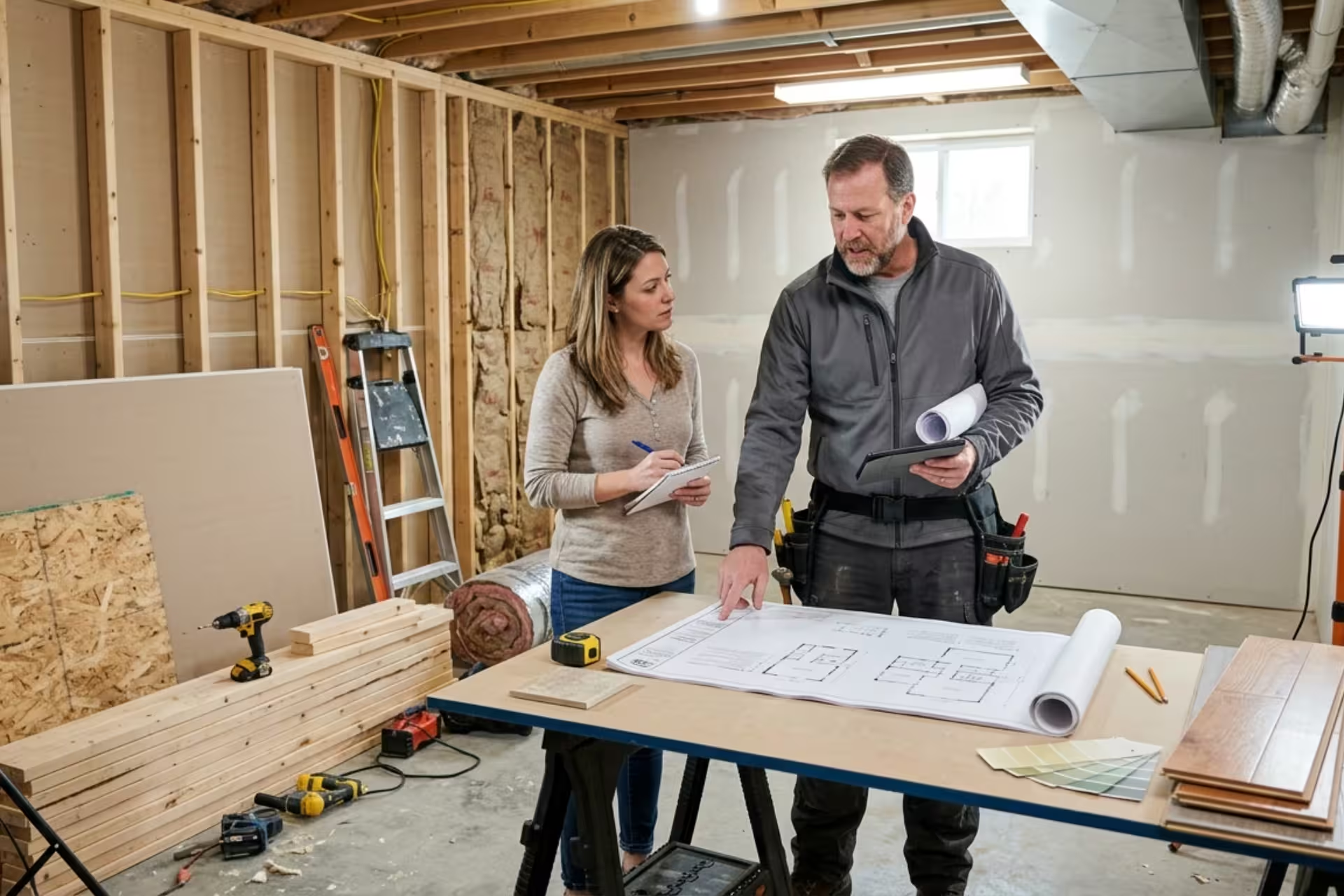
Finishing a basement is one of the best ways to add usable living space to your home. Instead of letting the basement sit unfinished or used only for storage, homeowners can turn it into a family room, home office, guest suite, gym, playroom, entertainment area, or multi-purpose living space.
One of the first questions many Pennsylvania homeowners ask is: How much does basement finishing cost?
The answer depends on the size of the basement, the condition of the space, the design, the materials selected, whether waterproofing is needed, and whether you are adding features like a bathroom, laundry room, wet bar, storage, or custom lighting.
At TrueBlue Home Improvements, we provide basement finishing, basement waterproofing, foundation repair, concrete work, and complete home improvement services throughout Pennsylvania, including Philadelphia, Collegeville, Exton, Mount Penn, Phoenixville, Pottstown, Reading, Valley Forge, and surrounding areas.
Why Basement Finishing Costs Vary
Basement finishing is not a one-price project because every home is different. Some basements are already dry, open, and ready for framing. Others need waterproofing, foundation crack repair, concrete work, electrical upgrades, plumbing, insulation, or moisture control before finishing can begin.
The cost of basement finishing depends on:
- Basement size
- Current condition
- Moisture or waterproofing needs
- Foundation repair needs
- Ceiling height
- Flooring choice
- Wall and ceiling finishes
- Electrical layout
- Lighting design
- Plumbing requirements
- Bathroom additions
- Laundry room upgrades
- Storage design
- Custom features
- Permits and code requirements
A simple open finished basement will usually cost less than a custom basement with multiple rooms, bathroom, built-ins, and premium finishes.
Basement Size and Layout
The size of your basement is one of the biggest cost factors. A larger basement requires more framing, drywall, flooring, insulation, paint, lighting, and labor.
Layout also matters. An open floor plan is usually more affordable than a design with multiple rooms, closets, hallway sections, bathroom areas, or utility enclosures.
Popular basement layouts include:
- Open family room
- Family room with storage area
- Home office and media room
- Guest suite with bathroom
- Playroom and laundry area
- Gym and entertainment space
- Multi-purpose finished basement
The more complex the layout, the more planning and installation work will be required.
Waterproofing Before Basement Finishing
Before finishing any basement, it is important to make sure the space is dry. Waterproofing is one of the most important cost considerations because moisture problems can destroy finished materials.
Before starting basement finishing, check for:
- Basement leaks
- Damp walls
- Foundation cracks
- Musty odors
- Mold or mildew
- Floor cracks
- Window well leaks
- Sump pump issues
- High humidity
- Water stains
If waterproofing is needed, it should be completed before drywall, flooring, insulation, and trim are installed. Finishing a damp basement without fixing the source of moisture can lead to mold, ruined flooring, damaged drywall, and costly repairs.
Foundation Crack Repair
Foundation cracks should also be inspected before basement finishing. Even small cracks can allow water to enter during heavy rain. Larger cracks may indicate movement or structural pressure.
Foundation crack repair may be needed if:
- Cracks are leaking
- Cracks are widening
- Horizontal cracks are present
- Stair-step cracks appear in block walls
- Basement walls are bowing
- Water stains appear near cracks
- Floor cracks allow water seepage
Addressing foundation issues early protects the investment you are making in your finished basement.
Framing and Drywall
Framing creates the structure for finished walls, rooms, closets, utility areas, and design features. Drywall gives the basement a clean, finished appearance.
Framing and drywall costs depend on:
- Number of walls
- Room layout
- Utility enclosures
- Ceiling height
- Moisture-resistant material choices
- Labor requirements
- Design complexity
In basements, material selection matters. Moisture-resistant products may be recommended in certain areas for better durability.
Basement Flooring Options
Flooring has a major impact on the appearance, comfort, and cost of a finished basement. Since basements are below grade, moisture-resistant flooring is often a smart choice.
Common basement flooring options include:
Luxury Vinyl Plank
Luxury vinyl plank is popular because it is durable, attractive, and moisture-resistant.
Tile
Tile is strong, long-lasting, and excellent for moisture-prone spaces, bathrooms, and laundry areas.
Carpet Tiles
Carpet tiles can add warmth and comfort while making replacement easier if one section is damaged.
Engineered Flooring
Engineered flooring may work in some basements when moisture is controlled properly.
Sealed Concrete
Sealed or finished concrete can provide a clean, modern, durable surface.
The best choice depends on how the basement will be used.
Electrical Work and Lighting
Basements often need improved lighting because they have limited natural light. Electrical work may include outlets, switches, recessed lighting, entertainment wiring, office wiring, and dedicated circuits.
Lighting options may include:
- Recessed ceiling lights
- LED fixtures
- Wall sconces
- Task lighting
- Accent lighting
- Under-cabinet lights
- Stair lighting
Good lighting can make a basement feel warmer, larger, and more comfortable.
Basement Bathroom Cost Factors
Adding a bathroom can increase the cost of basement finishing, but it also adds convenience and value. A basement bathroom is especially useful for guest suites, entertainment spaces, gyms, offices, and family rooms.
Bathroom cost factors include:
- Plumbing access
- Drainage requirements
- Toilet and sink installation
- Shower or tub installation
- Ventilation
- Tile work
- Waterproof materials
- Vanity and fixtures
- Electrical work
A half bathroom is usually less expensive than a full bathroom with a shower.
Ceiling Options
Basement ceilings affect both appearance and accessibility. Homeowners may choose drywall ceilings, drop ceilings, painted exposed ceilings, or mixed ceiling designs.
Drywall Ceiling
A drywall ceiling creates a clean, finished look but may limit access to pipes and wiring.
Drop Ceiling
A drop ceiling allows easier access to utilities and is common in basement finishing.
Painted Exposed Ceiling
A painted exposed ceiling can create an industrial look and may help preserve height.
The best option depends on style, budget, ceiling height, and utility access.
Insulation and Comfort
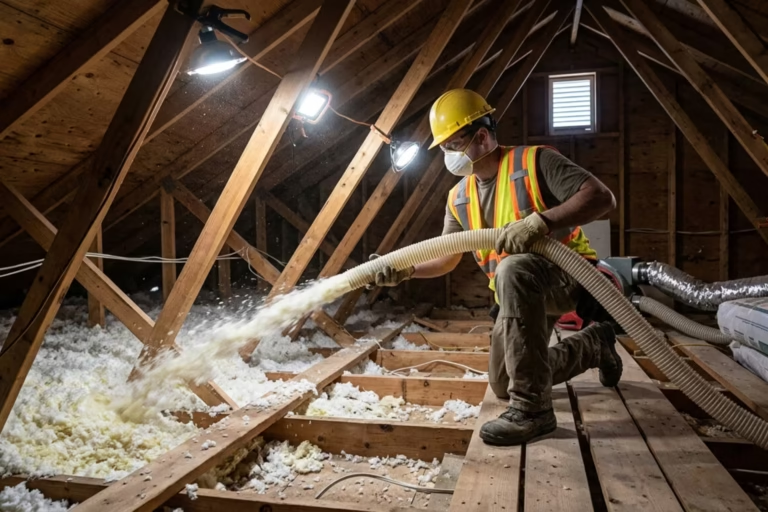
Basement insulation helps improve comfort and energy efficiency. It can make the space feel warmer in winter and more comfortable year-round.
Insulation considerations include:
- Exterior wall insulation
- Rim joist insulation
- Sound insulation
- Moisture control
- Thermal comfort
- Energy efficiency
If the basement will be used as living space, insulation should be planned carefully.
Custom Features That Affect Cost
Custom basement features can improve the finished result but may increase the overall project cost.
Popular custom features include:
- Built-in shelves
- Entertainment walls
- Wet bars
- Storage cabinets
- Fireplace features
- Custom closets
- Home office desks
- Exercise areas
- Laundry room cabinetry
- Accent walls
These details can make the basement more attractive and functional.
Permits and Building Requirements
Basement finishing may require permits depending on the work involved. Electrical, plumbing, structural changes, bathrooms, bedrooms, and egress windows may need code-compliant planning.
Professional contractors can help homeowners understand what is required for a safe and properly completed project.
Is Basement Finishing Worth the Investment?
For many Pennsylvania homeowners, basement finishing is worth it because it adds usable living space without building an addition. It can improve comfort, function, and home appeal.
A finished basement may be used as:
- Family room
- Guest space
- Home office
- Playroom
- Gym
- Entertainment room
- Hobby room
- Laundry area
- Storage space
The best basement projects are designed around how the family actually lives.
How to Plan Your Basement Finishing Budget
Before starting, make a list of what you want from the space. Decide whether you need open living space, separate rooms, a bathroom, storage, laundry upgrades, or custom features.
Ask yourself:
- Will the basement be used daily?
- Do I need a bathroom?
- Is waterproofing needed first?
- Are there foundation cracks?
- What type of flooring do I want?
- Do I need better lighting?
- Will this be a guest space?
- Do I need storage?
- Is the basement currently dry?
Clear planning helps control cost and avoid changes during the project.
Basement Finishing Services in Pennsylvania
TrueBlue Home Improvements provides basement finishing and home improvement services throughout Pennsylvania. We can help with basement refinishing, basement waterproofing, foundation repair, concrete work, attic insulation, roofing, decks, patios, sunrooms, and more.
We serve:
- Philadelphia, PA
- Collegeville, PA
- Exton, PA
- Mount Penn, PA
- Phoenixville, PA
- Pottstown, PA
- Reading, PA
- Valley Forge, PA
- Nearby Pennsylvania communities
Whether you want a simple finished basement or a full custom basement renovation, our team can help create a space that fits your home and lifestyle.
Final Thoughts
Basement finishing cost in Pennsylvania depends on the size of the basement, condition of the space, waterproofing needs, foundation repairs, flooring, lighting, bathroom additions, insulation, permits, and custom features.
The smartest approach is to begin with a professional inspection and clear design plan. A properly finished basement can add comfort, function, and long-term value to your home.
Planning to finish your basement? Contact TrueBlue Home Improvements today for professional basement finishing services in Pennsylvania.