Foundation cracks can be worrying for any homeowner. Some cracks may be minor, while others can point to water pressure, settlement, structural movement, or long-term foundation stress. The challenge is knowing what caused the crack and whether it needs professional repair.
In Pennsylvania, foundation cracks are common because homes face changing weather, heavy rain, snow melt, freeze-thaw cycles, aging concrete, and soil movement. Whether your home is in Philadelphia, Collegeville, Exton, Mount Penn, Phoenixville, Pottstown, Reading, Valley Forge, or a nearby area, cracks in your foundation should be inspected before they become bigger problems.
At TrueBlue Home Improvements, we help homeowners identify the cause of foundation cracks and recommend repair solutions that protect the structure, basement, and long-term value of the home.
Are Foundation Cracks Normal?
Some small cracks can appear as concrete cures or as a home settles slightly over time. Hairline cracks may not always be serious, especially if they are not leaking or growing.
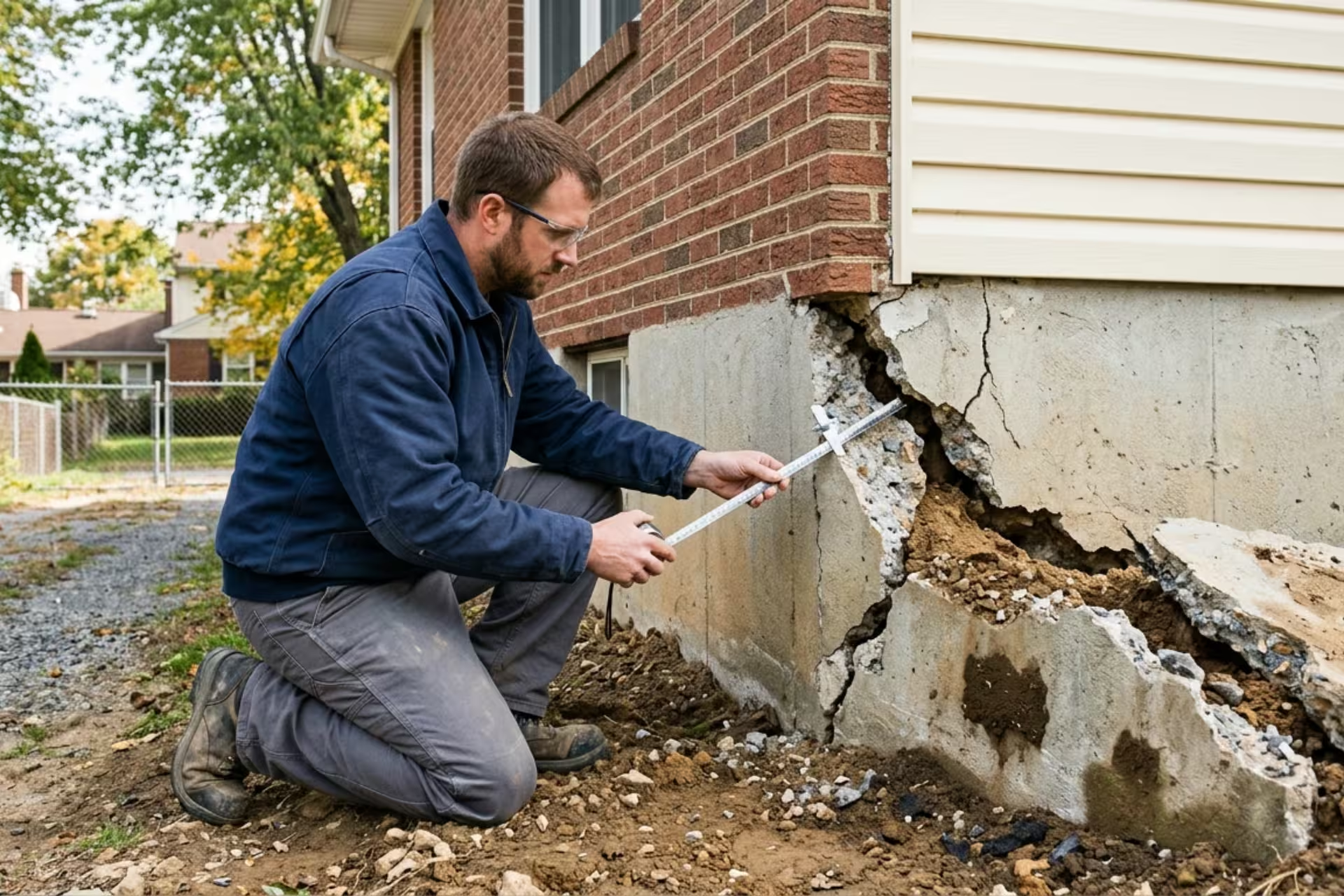
However, not all cracks are harmless. Cracks that widen, leak, shift, run horizontally, or appear in a stair-step pattern may indicate a bigger foundation issue.
Foundation cracks should be taken seriously when they are:
- Wider than a hairline crack
- Actively leaking water
- Growing over time
- Horizontal across a basement wall
- Stair-step shaped in block walls
- Causing wall movement
- Paired with uneven floors
- Paired with sticking doors or windows
A professional inspection can determine whether the crack is cosmetic, moisture-related, or structural.
1. Soil Movement Around the Foundation
Soil movement is one of the most common causes of foundation cracks. Soil expands when it becomes wet and shrinks when it dries. This movement can place pressure on foundation walls and footings.
When soil movement is uneven, one part of the foundation may experience more pressure than another. Over time, this can cause cracking.
Soil movement may be caused by:
- Heavy rainfall
- Poor drainage
- Drought conditions
- Snow melt
- Expanding clay soil
- Erosion
- Improper backfill around the foundation
Pennsylvania homes often experience seasonal soil changes, which can contribute to foundation stress.
2. Hydrostatic Pressure
Hydrostatic pressure occurs when water builds up in the soil around your foundation. As the ground becomes saturated, water pushes against basement walls. If the pressure becomes strong enough, it can force water through cracks or even cause walls to bow.
Signs of hydrostatic pressure include:
- Horizontal wall cracks
- Water seepage after rain
- Bowing basement walls
- Damp foundation walls
- Cove joint leakage
- Efflorescence on basement walls
- Basement floor cracks
Hydrostatic pressure is often connected to poor drainage, clogged gutters, short downspouts, or grading problems around the home.
3. Poor Drainage Around the Home
Water should always move away from the foundation. When it collects near the home, it increases the risk of cracks, leaks, and structural stress.
Poor drainage may happen when:
- Soil slopes toward the house
- Gutters are clogged
- Downspouts are too short
- Water pools near the foundation
- Patios or walkways slope toward the home
- Landscaping traps water against the wall
- Exterior drains are clogged or missing
Improving drainage is often an important part of foundation crack prevention and basement waterproofing.
4. Freeze-Thaw Cycles
Pennsylvania winters can create freeze-thaw stress around foundations. Water enters small cracks or collects in soil near the foundation. When temperatures drop, the water freezes and expands. When temperatures rise, it thaws again.
Over repeated cycles, this expansion and contraction can make cracks worse.
Freeze-thaw damage can affect:
- Concrete foundation walls
- Basement floor slabs
- Exterior concrete
- Walkways
- Steps
- Patios
- Masonry walls
Small cracks should be repaired before winter if possible, especially if water is entering them.
5. Foundation Settlement
Settlement happens when the soil beneath a home shifts, compresses, or no longer supports the foundation evenly. Some settlement is normal, but uneven settlement can lead to cracks and structural movement.
Signs of settlement may include:
- Stair-step cracks
- Diagonal wall cracks
- Sloping floors
- Gaps around trim
- Cracks above doors or windows
- Sticking doors
- Uneven concrete floors
Settlement can happen because of poor soil compaction, erosion, water movement, or aging foundation conditions.
6. Aging Concrete or Masonry
Older homes may develop foundation cracks simply because materials age over time. Concrete, block, mortar joints, and masonry can weaken due to moisture, pressure, and years of seasonal movement.
Older foundations may show:
- Crumbling mortar
- Spalling concrete
- Loose blocks
- Basement wall cracks
- Water seepage
- Surface flaking
- White powdery residue
- Weak or porous concrete
Many older Pennsylvania homes can benefit from foundation repair, waterproofing, and drainage improvements to prevent further deterioration.
7. Tree Roots Near the Foundation
Large trees planted too close to a home can affect foundation conditions. Roots can draw moisture from the soil, causing soil shrinkage. In some cases, roots may also disturb nearby concrete, drains, or walkways.
Tree-related foundation issues may include:
- Uneven soil moisture
- Soil movement
- Cracks near one side of the home
- Damaged exterior drains
- Lifted walkways or patios
- Foundation stress near large root systems
Trees are not always the cause of foundation cracks, but they can contribute when combined with poor drainage or weak soil conditions.
8. Plumbing Leaks
Hidden plumbing leaks can soften or wash away soil under or around the foundation. Over time, this can cause settlement or cracking.
Possible plumbing-related warning signs include:
- Unexplained water near the foundation
- High water bills
- Wet basement areas during dry weather
- Floor cracks near plumbing lines
- Soil erosion
- Damp spots that do not match rainfall patterns
If a foundation crack appears along with unexplained moisture, plumbing should be considered as a possible cause.
9. Poor Original Construction
Some foundation problems are related to how the home was originally built. Poor soil preparation, weak concrete, insufficient drainage, or improper backfilling can create long-term foundation issues.
Construction-related problems may include:
- Uneven settlement
- Weak foundation walls
- Poor drainage around the home
- Thin or poorly reinforced concrete
- Inadequate waterproofing
- Foundation movement over time
A professional contractor can assess whether cracks are caused by current conditions or older construction issues.
Different Types of Foundation Cracks
Understanding the type of crack can help determine how serious it may be.
Vertical Cracks
Vertical cracks are common and may be caused by settlement or concrete shrinkage. Some are minor, but leaking vertical cracks should be repaired.
Horizontal Cracks
Horizontal cracks can be more serious because they may indicate pressure against the wall. These cracks should be inspected quickly.
Stair-Step Cracks
Stair-step cracks often appear in block or brick foundations. They may suggest settlement or wall movement.
Diagonal Cracks
Diagonal cracks may be caused by uneven settlement or shifting soil.
Floor Cracks
Basement floor cracks can allow water to enter, especially when groundwater pressure is high.
Can Foundation Cracks Cause Basement Leaks?
Yes. Foundation cracks are one of the most common ways water enters a basement. Even a small crack can leak during heavy rain if water pressure builds outside the wall.
Water may enter through:
- Wall cracks
- Floor cracks
- Cove joints
- Block joints
- Window wells
- Porous concrete
This is why foundation repair and basement waterproofing are often connected.
When Should You Repair Foundation Cracks?
Foundation cracks should be repaired when they leak, grow, widen, or show signs of movement. You should also repair cracks before finishing a basement because hidden moisture can damage drywall, flooring, and insulation.
Call a foundation repair contractor if:
- Water is entering through the crack
- The crack is wider than before
- The wall is bowing
- The crack is horizontal
- Floors are uneven
- Doors and windows are sticking
- Multiple cracks appear
- You notice moisture or mold
Early repair can help prevent larger structural and waterproofing problems.
Foundation Crack Repair in Pennsylvania
TrueBlue Home Improvements provides foundation repair, basement waterproofing, concrete repair, and related home improvement services across Pennsylvania.
We serve homeowners in:
- Philadelphia, PA
- Collegeville, PA
- Exton, PA
- Mount Penn, PA
- Phoenixville, PA
- Pottstown, PA
- Reading, PA
- Valley Forge, PA
- Nearby Pennsylvania areas
Whether your foundation cracks are caused by water pressure, settlement, drainage problems, or aging concrete, our team can help inspect the issue and recommend the right repair solution.
Final Thoughts
Foundation cracks can happen for many reasons, including soil movement, hydrostatic pressure, poor drainage, freeze-thaw cycles, settlement, aging concrete, tree roots, plumbing leaks, and construction issues.
Some cracks are minor, but others can indicate serious structural or moisture problems. If you notice cracks in your basement walls, floors, exterior masonry, or concrete, it is best to schedule an inspection before the damage spreads.
Noticing cracks in your foundation? Contact TrueBlue Home Improvements today for professional foundation crack repair and foundation repair services in Pennsylvania.